Choosing the right fire for your home depends on what matters most to you—heat output, running costs, convenience, or atmosphere. The three main options are gas fires, electric fires, and solid fuel fires, and each has distinct strengths.
Combustion and Heating Efficiency
The main purpose of any fire is heat, but not all produce it in the same way.
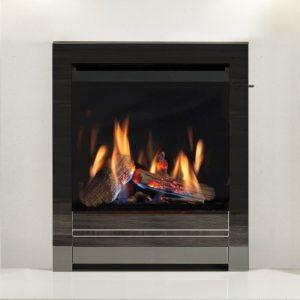
Gas fires are often a strong middle ground. They generate instant heat at the push of a button and can heat a room quickly. Many modern gas fires are highly efficient, making them practical for everyday use.
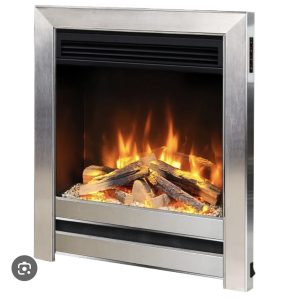
Electric fires convert nearly all the electricity they use into heat at the point of use. However, electricity is often more expensive than gas, so while efficient, they can cost more to run. They are ideal for smaller rooms or occasional use.
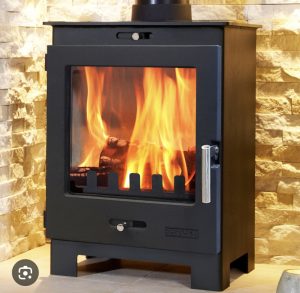
Solid fuel fires—burning wood, coal, or smokeless fuel—usually produce the highest heat output. A wood-burning stove can heat larger spaces effectively and often continues radiating warmth after the fire has gone out.
Convenience and Ease of Use
If convenience is your priority:
* Electric fires are the easiest. Plug them in, switch them on, and there’s no chimney, ash, or fuel storage.
* Gas fires are almost as simple, especially with remote controls or thermostats.
* Solid fuel fires require the most effort—lighting, refueling, cleaning ash, and storing logs or coal.
For busy households, electric usually wins.
Atmosphere and Appearance
This is where personal taste matters.
Solid fuel fires offer the most authentic experience: real flames, crackling logs, and the smell of burning wood. Many people prefer this for ambience.
Gas fires can look realistic, especially modern models, but they lack the natural sound and smell.
Electric fires have improved significantly and can create convincing flame effects, but they remain the least authentic.
Installation and Maintenance
Installation can be a major deciding factor.
* Electric fires are the simplest and cheapest to install.
* Gas fires need a gas connection and installation by a certified engineer.
* Solid fuel fires often need a chimney or flue and regular sweeping.
Maintenance follows the same pattern: electric is easiest, solid fuel is hardest.
Environmental Impact
Environmental considerations are increasingly important.
Electric fires can be cleaner at home, especially if powered by renewable electricity.
Gas fires produce fossil fuel emissions but less particulate pollution than wood or coal.
Solid fuel fires, particularly wood and coal, create the most smoke and air pollution, though newer eco-design stoves are cleaner.
Which One Is Best?
There isn’t one “best” fire—it depends on your needs:
* Best for convenience: Electric
* Best for balance of heat and ease: Gas
* Best for atmosphere and high heat: Solid fuel
* Best for low installation hassle: Electric
* Best for traditional homes: Solid fuel
For most modern households, gas offers the best all-round option. If you want simplicity, choose electric. If you want the traditional fireplace experience and don’t mind the work, solid fuel is hard to beat.