
What Are Balanced Flue Gas Fires? A Complete Guide
If you’re considering a gas fire for your home, you may have come across the term balanced flue gas fire. Unlike traditional gas fires that require a conventional chimney, balanced flue fires are designed to work in properties without a chimney or existing flue.
But what exactly is a balanced flue gas fire, how does it work, and what are the benefits?
In this guide, we explain everything you need to know about balanced flue gas fires, including how they are installed, their advantages and potential limitations, and why they are a popular choice for modern homes.
What Is a Balanced Flue Gas Fire?
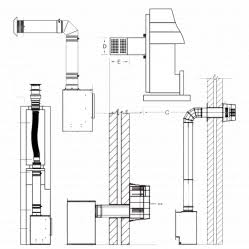
A balanced flue gas fire is a gas fireplace that uses a specially designed flue system to bring combustion air into the fire and remove combustion gases from the property.
Unlike an open-fronted gas fire, a balanced flue fire is generally a room-sealed appliance. This means it does not take the air needed for combustion from inside your room.
Instead, the fire connects to a dedicated balanced flue, which normally passes through an external wall or, depending on the appliance and installation, through the roof.
The flue has two functions:
It brings fresh air into the appliance for combustion.
It safely carries combustion gases outside.
The two airflows are balanced, which is where the term “balanced flue” comes from.
How Does a Balanced Flue Gas Fire Work?
A balanced flue gas fire has a sealed combustion chamber connected to a concentric flue system.
When the fire is operating, the system draws air from outside into the appliance while simultaneously expelling the products of combustion to the outside.
This means the fire does not normally rely on the air within the room for combustion.
A typical balanced flue system consists of:
The gas fire – produces heat by burning gas.
The sealed combustion chamber – keeps the combustion process separate from the room.
The balanced flue – connects the fire to the outside.
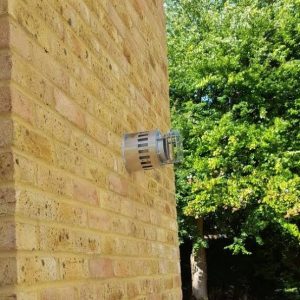
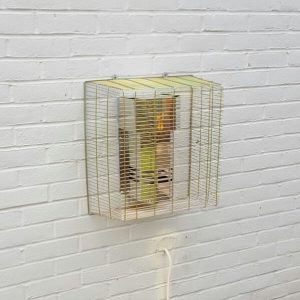
The external terminal – allows air to enter and combustion gases to leave safely.
Because the combustion process is sealed from the room, balanced flue fires can offer a very different installation solution from traditional chimney-connected gas fires.
Do Balanced Flue Gas Fires Need a Chimney?
One of the biggest advantages of a balanced flue gas fire is that a traditional chimney is not necessarily required.
Instead, the appliance can usually be installed with a purpose-designed flue that passes through an external wall.
This makes balanced flue fires particularly useful in properties that don’t have a conventional chimney.
For example, they can be considered for:
New-build homes
Modern apartments
Extensions
Properties without chimneys
Rooms where installing a conventional chimney would be impractical
However, the installation requirements depend on the specific appliance, the property and the proposed flue route. The appliance manufacturer’s instructions must always be followed.
What Is the Difference Between a Balanced Flue and a Conventional Flue?
The main difference is how the appliance gets combustion air and removes combustion gases.
A conventional flue gas fire typically uses a chimney or flue to remove combustion products, while combustion air may come from the room depending on the type of appliance.
A balanced flue gas fire uses a sealed system that draws combustion air from outside and expels combustion gases outside through the same flue assembly.
This can make balanced flue technology particularly suitable for modern, well-insulated properties.
What Are the Benefits of Balanced Flue Gas Fires?
There are several reasons why homeowners choose balanced flue gas fires.
1. They Don’t Always Require a Traditional Chimney
Perhaps the most obvious benefit is the installation flexibility.
Because balanced flue appliances use their own dedicated flue system, you don’t necessarily need an existing chimney.
This can open up more options when designing a new fireplace in a room where a traditional chimney isn’t available.
2. They Are Suitable for Modern Homes
Modern homes are often designed to be highly insulated and more airtight than older properties.
A room-sealed balanced flue appliance can be well suited to this type of environment because combustion air is supplied from outside rather than being drawn from the room.
3. Efficient Heat Output
Many modern balanced flue gas fires are designed to provide a high level of usable heat.
Because the appliance is room sealed, there is less dependence on a traditional open chimney arrangement, potentially allowing more of the heat produced by the appliance to remain within the room.
The actual efficiency will vary between appliances, so it’s important to check the manufacturer’s specifications before choosing a fire.
4. A Wide Range of Contemporary Designs
Balanced flue technology is available in a wide variety of fireplace styles.
Depending on the manufacturer, you may find:
Hole-in-the-wall gas fires
Built-in gas fires
Three-sided gas fires
Two-sided gas fires
Corner gas fires
Contemporary glass-fronted fires
Traditional-style gas fires
This means balanced flue technology doesn’t necessarily mean compromising on the appearance of your fireplace.
5. Flexible Fireplace Design
Because a traditional chimney may not be required, homeowners can have greater flexibility when planning the position and design of their fireplace.
The available options will depend on the property’s walls, the manufacturer’s flue requirements and local installation regulations.
Are Balanced Flue Gas Fires Safe?
When correctly specified, installed and maintained by a suitably qualified professional, balanced flue gas fires are designed to operate safely.
Their room-sealed design means that the combustion process is separated from the room.
However, gas appliances should always be installed and serviced by an appropriately qualified gas professional. In the UK, gas work on domestic appliances should be carried out by someone appropriately registered with the Gas Safe Register.
It is also important to follow the manufacturer’s installation and servicing requirements.
A carbon monoxide alarm should also be installed where required and in accordance with applicable guidance and regulations.
Where Can a Balanced Flue Gas Fire Be Installed?
Balanced flue gas fires can offer considerable flexibility, but they cannot simply be installed anywhere.
The proposed location needs to meet the appliance manufacturer’s requirements and relevant building and gas safety requirements.
Factors that may need to be considered include:
The position of an external wall
The required flue route
The location of windows and doors
Clearances around the flue terminal
The construction of the wall
Ventilation requirements
The appliance’s specified flue length and configuration
Local building regulations
For this reason, it’s important to have the installation assessed before purchasing a fire.
Can a Balanced Flue Gas Fire Be Installed on an Internal Wall?
In some situations, balanced flue systems can be configured to allow greater installation flexibility, but this depends entirely on the specific appliance and its approved flue system.
A balanced flue gas fire generally needs a suitable route for its flue to reach outside.
Some appliances may allow horizontal flueing through an external wall, while others may support different configurations.
Always check the manufacturer’s installation instructions and speak to a qualified installer before deciding where to position the fire.
Do Balanced Flue Gas Fires Need Ventilation?
One of the key features of a room-sealed balanced flue appliance is that combustion air is normally supplied directly from outside through the flue system rather than from the room.
However, ventilation requirements can vary depending on the appliance and installation.
This is another reason why the specific manufacturer’s instructions and applicable UK regulations should be checked before installation.
How Much Does a Balanced Flue Gas Fire Cost?
The total cost of installing a balanced flue gas fire can vary considerably.
The price may include:
The gas fire itself
The balanced flue system
Installation
Building work
Fireplace or surround
Gas connection work
Additional materials
Finishing and plastering
A straightforward installation through an external wall may be considerably different in cost from a more complex installation requiring additional building work or a longer flue system.
For an accurate price, it’s best to have a qualified installer assess the property and provide a quotation based on the specific appliance and installation requirements.
Are Balanced Flue Gas Fires Energy Efficient?
Many modern balanced flue gas fires are designed with efficiency in mind.
Because they are typically room-sealed and use a controlled combustion system, they can offer efficient heat production compared with some older open-fronted gas fire designs.
However, efficiency varies significantly between models.
If energy efficiency is important to you, compare the manufacturer’s stated efficiency figures and energy information for the individual appliances you are considering rather than assuming all balanced flue fires perform identically.
Balanced Flue Gas Fires vs Electric Fires
If you’re deciding between a gas and electric fire, there are several differences to consider.
A balanced flue gas fire can provide a real gas flame and substantial heat output, but it requires a gas supply and professional installation. It also requires an appropriate route for the flue.
An electric fire does not require a gas supply or combustion flue, which can make installation simpler in some circumstances.
The right choice will depend on factors such as:
Your property’s existing services
Installation requirements
Desired heat output
Running costs
Appearance
Maintenance
Your preference for a real gas flame or electric flame effect
Are Balanced Flue Gas Fires Suitable for New Builds?
Balanced flue gas fires can be an option for some new-build properties, particularly where there is no traditional chimney.
Their room-sealed design can also make them suitable for modern, well-insulated homes.
However, new-build properties can have specific ventilation, airtightness and building-regulation requirements. The appliance and flue system therefore need to be considered as part of the overall design of the property.
If you’re building or renovating a home, it’s sensible to discuss the fireplace location and flue requirements with your builder, architect and qualified gas installer at an early stage.
How Long Does a Balanced Flue Gas Fire Last?
The lifespan of a balanced flue gas fire depends on the appliance, how frequently it is used, installation quality and how well it is maintained.
Regular servicing can help identify potential problems and ensure the appliance continues to operate as intended.
If your gas fire starts producing unusual smells, sounds or flames, or you notice any other change in its operation, stop using it and seek advice from a suitably qualified professional.
Do Balanced Flue Gas Fires Need Servicing?
Yes. Like other gas appliances, balanced flue gas fires should be maintained and serviced in accordance with the manufacturer’s instructions and applicable safety requirements.
A qualified professional can inspect the appliance and flue system and check that the fire is operating correctly.
Regular servicing is particularly important because faults with gas appliances can create serious safety risks.
Are Balanced Flue Gas Fires Right for Your Home?
A balanced flue gas fire can be an attractive option if you want a real gas flame but don’t have a traditional chimney.
Their room-sealed design, modern appearance and flexible flue options make them suitable for many contemporary homes.
However, the suitability of a particular model depends on your property, the location of the proposed fire and the manufacturer’s installation requirements.
Before purchasing, it’s worth getting professional advice and confirming that the appliance can be installed correctly in your chosen location.
Frequently Asked Questions
What is a balanced flue gas fire?
A balanced flue gas fire is a room-sealed gas appliance that draws combustion air from outside and expels combustion gases outside through a dedicated balanced flue system.
Does a balanced flue gas fire need a chimney?
No, not necessarily. Many balanced flue gas fires can be installed without a traditional chimney, using a dedicated flue that passes through an external wall or another approved route.
Are balanced flue gas fires efficient?
Many modern balanced flue fires are designed to provide efficient heat, but efficiency varies between models. Always check the manufacturer’s specifications for the appliance you are considering.
Are balanced flue gas fires safe?
They are designed as room-sealed appliances and can be operated safely when correctly installed and maintained. Gas work should be carried out by a suitably qualified professional.
Can I install a balanced flue gas fire myself?
Gas appliances should not be installed as a DIY project. Installation should be carried out by an appropriately qualified professional and must comply with the manufacturer’s instructions and applicable regulations.
Can you have a balanced flue gas fire without a chimney?
Yes. This is one of the main reasons homeowners choose balanced flue technology. However, the property must have a suitable route for the approved flue system.
Conclusion
Balanced flue gas fires provide an alternative to traditional chimney-connected fireplaces, making them particularly interesting for homes without an existing chimney.
Their room-sealed design allows the appliance to draw combustion air from outside and expel combustion gases safely through a dedicated flue. Combined with a wide choice of contemporary fireplace designs, this makes balanced flue fires a popular option for many modern properties.
If you’re considering installing one, the most important step is to choose an appliance that is suitable for your property and have the installation assessed by a qualified professional before purchasing.