
Which Is Cheaper to Run: An Electric Fire, Gas Fire or Wood burning Stove?
Which Type of Fire Is Cheapest to Run?
If you’re looking to make your home warmer without spending a fortune on energy bills, you may be wondering whether an electric fire, gas fire or wood burning stove is the cheapest option.
All three can create a comfortable, welcoming atmosphere, but their running costs can differ considerably.
The short answer is that electric fires are generally the most expensive for producing the same amount of heat, mains gas can be cheaper, and a wood burning stove may offer good value if you can buy affordable, properly seasoned logs.
However, the cheapest option for your home depends on the appliance’s efficiency, your energy tariff, how often you use it and whether you’re heating one room or your entire home.
Let’s compare the options to help you make the right choice.
1. Electric Fires: Convenient and Easy to Install
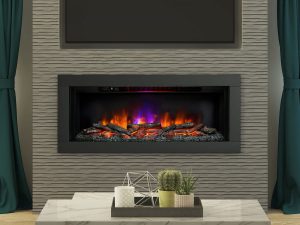
Electric fires have become increasingly popular thanks to their modern designs, realistic flame effects and straightforward installation.
They’re available as wall-mounted fires, inset models, freestanding units and electric stoves, making them suitable for many different homes.
How much does an electric fire cost to run?
Electric fires that provide supplementary heat typically use around 1kW to 2kW at full power.
Using the Ofgem average electricity unit rate of 26.32p per kWh for October to December 2026, the estimated running costs are:
- 1kW electric fire: approximately 26p per hour.
- 2kW electric fire: approximately 53p per hour.
These figures assume the heater runs continuously at its stated power. A thermostat or lower heat setting may reduce actual consumption.
For example, using a 2kW electric fire for three hours a day would cost approximately £1.58 daily, or £47.38 over 30 days, at this electricity rate.
Decorative flame effects may use considerably less electricity when the heating element is switched off.
Advantages of electric fires
- No chimney or flue is normally required.
- Installation is often simpler than with gas fires or woodburning stoves.
- No logs, gas supply or fuel storage is needed.
- They require relatively little routine maintenance.
- You can heat the room you’re using rather than turning up the whole-house heating.
Disadvantages of electric fires
Electricity is relatively expensive per unit of energy, making electric fires less economical when you need substantial heat for long periods.
They may be ideal for occasional use, smaller rooms or adding warmth to a living room without switching on the central heating.
Best for: Convenience, modern homes, occasional heating and homeowners who want a realistic flame effect without the upkeep of a traditional fire.
2. Gas Fires: A Balance of Heat and Running Costs
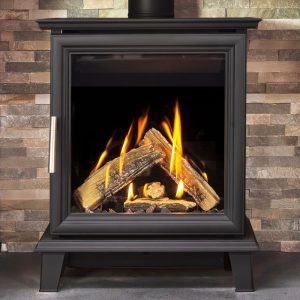
Gas fires remain a popular choice for homeowners who want instant warmth and the appearance of a traditional fireplace.
They can provide substantial heat quickly, and mains gas generally costs much less per kWh than electricity.
How much does a gas fire cost to run?
Ofgem’s average gas unit rate for October to December 2026 is 7.97p per kWh.
However, a gas fire’s running cost depends on its gas consumption, heat output and efficiency. A less efficient model will need to burn more gas to deliver the same amount of useful heat.
As a simple illustration, a gas fire consuming 4kW of gas would cost approximately 32p per hour at this rate. A fire consuming 5kW would cost approximately 40p per hour.
Actual figures will depend on the manufacturer’s specifications and the appliance’s operating setting.
Advantages of gas fires
- Mains gas is relatively inexpensive per unit compared with electricity.
- They can warm a room quickly.
- Many models offer realistic flames and traditional styling.
- They don’t require you to buy, carry or store logs.
- They can be convenient for regular use.
Disadvantages of gas fires
Gas fires require appropriate installation, servicing and ventilation arrangements. Some models need a chimney or flue, while others use different flue systems.
You should also account for any installation work, servicing and the standing charge associated with maintaining a gas supply. If your home already has gas for central heating and cooking, the standing charge may already be part of your household bill.
Best for: Homeowners who want convenient, regular heat and the appearance of a traditional fire without handling solid fuel.
3. Wood burning Stoves: Can Burning Wood Save You Money?
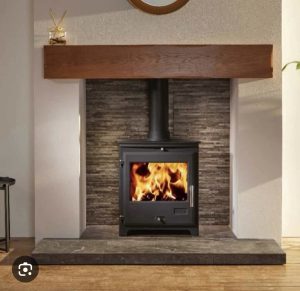
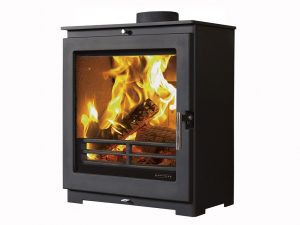
Wood burning stoves offer a traditional focal point, radiant warmth and the unmistakable appearance of real flames.
For some households, they can also be an economical source of heat. However, the price of firewood makes a significant difference.
How much does a wood burning stove cost to run?
Unlike electricity and mains gas, wood prices vary considerably depending on where you buy your fuel, the quantity purchased, the type of wood and its moisture content.
Buying seasoned logs in bulk can work out much cheaper than purchasing small bags from a petrol station or supermarket.
Modern, efficient stoves also extract more useful heat from their fuel than traditional open fires.
For a fair comparison, consider the cost per kWh of useful heat delivered into the room, rather than simply comparing the price of a bag of logs with a unit of gas or electricity.
Advantages of wood burning stoves
- They provide real flames and strong radiant heat.
- Bulk-buying firewood may reduce fuel costs.
- They can be useful for heating a main living area.
- They offer a traditional appearance that suits many period and rural properties.
- Some households have access to lower-cost firewood.
Disadvantages of wood burning stoves
Wood burning stoves usually have higher installation costs because they may require a suitable hearth, flue, chimney work and compliance checks.
You also need space to store logs, time to manage the fire and regular cleaning and maintenance.
Only burn suitable, dry wood and follow the stove manufacturer’s instructions. Smoke-control requirements may apply in your area, and even modern woodburning stoves produce particulate pollution.
Best for: Homeowners who value a real wood fire and can source affordable, dry logs, particularly when the stove will be used regularly.
Electric Fire vs Gas Fire vs Wood burning Stove: Cost Comparison
Here is a practical comparison of the three options.
| Feature | Electric fire | Gas fire | Wood burning stove |
|---|---|---|---|
| Typical fuel cost | Higher per kWh | Lower per kWh | Depends on log prices |
| Heat output | Often 1–2kW | Varies by model | Varies by model |
| Installation | Often simpler | Requires suitable installation | May require flue and hearth work |
| Maintenance | Usually low | Requires appropriate servicing | Regular cleaning and chimney maintenance |
| Fuel storage | Not required | Not required for mains gas | Required |
| Ease of use | Very easy | Very easy | Requires more attention |
| Potential savings | Best for occasional, targeted use | Often economical for regular room heating | Can be economical with affordable logs |
Running costs depend on your actual tariff, appliance efficiency, usage and installation. This table is a guide, not a guarantee that one appliance will always be cheapest.
Which Fire Is Cheapest Per Hour?
There is no single hourly cost that applies to every model, because a small electric fire and a large gas fire may deliver very different amounts of heat.
For a meaningful comparison, use the following method:
- Check your electricity or gas price per kWh.
- Find the appliance’s energy consumption and efficiency.
- Calculate how much it costs to produce the amount of heat you need.
- For wood, include the price of the logs and their usable energy content.
For a useful illustration, an electric fire using 2kW of electricity costs approximately 53p per hour at the October–December 2026 average electricity rate.
A gas fire consuming 4kW of gas costs approximately 32p per hour at the average gas rate for the same period.
These examples are not directly equivalent in heat output, but they show why gas can be cheaper to run than direct electric heating. A woodburning stove may compete with gas when logs are affordable and the stove is efficient.
Don’t Forget the Cost of Installation
Running costs are only one part of the decision. Before choosing a fire, consider the initial investment.
Electric fires
Electric fires can be the simplest option to install, particularly if you choose a freestanding model or an inset fire designed for an existing opening. Built-in models may still require electrical work and alterations to the wall.
Gas fires
Gas fires may require a gas supply, suitable flue, ventilation and installation by a suitably qualified professional. Costs will depend on the existing fireplace and the type of fire you choose.
Wood burning stoves
A wood burning stove may require a new flue or chimney liner, a compliant hearth, ventilation and professional installation. You should also budget for fuel storage, chimney sweeping and routine maintenance.
If you’re installing a new fire from scratch, compare the total cost over several years rather than choosing solely on the cheapest running cost.
Five Ways to Reduce Your Fire’s Running Costs
Whichever option you choose, there are practical ways to make your heating budget go further.
1. Heat the room you’re using.
If you’re only spending the evening in your living room, targeted heating may help avoid heating unused spaces unnecessarily.
2. Choose an appropriately sized appliance.
A fire that’s too small may struggle to warm the room, while an oversized model may waste fuel or be uncomfortable to use.
3. Buy firewood carefully.
Compare the delivered price of bulk logs, check moisture content and use properly seasoned wood suitable for your stove.
4. Keep the appliance maintained.
Follow the manufacturer’s maintenance instructions and arrange any necessary professional servicing or chimney sweeping.
5. Improve insulation and draught-proofing.
Reducing heat loss means your room stays comfortable for longer and your fire may not need to work as hard.
Is an Electric Fire, Gas Fire or Wood burning Stove Best for Your Home?
The right choice depends on what matters most to you.
- Choose an electric fire if you want easy installation, minimal maintenance and occasional supplementary heating.
- Choose a gas fire if you already have a suitable gas supply and want convenient, regular warmth.
- Choose a wood burning stove if you love a real wood fire and can obtain suitable firewood at a competitive price.
If your main priority is saving money, compare the cost of delivering the same amount of useful heat, including fuel, efficiency, installation and maintenance.
Remember that a fireplace is often best treated as supplementary heating rather than a replacement for an efficient whole-home heating system.
Final Verdict: Which Is Cheapest to Run?
So, which is cheaper to run: an electric fire, gas fire or wood burning stove?
For most households, direct electric heating costs more per unit of useful heat than mains gas. A wood burning stove can be competitive with gas if you buy affordable, dry logs and use an efficient appliance.
An electric fire may still be the most convenient option for occasional use, while gas offers a practical balance of convenience and running cost. A wood burning stove can be attractive for homeowners who value traditional warmth and have access to reasonably priced firewood.
The cheapest fire is ultimately the one that suits your home, uses fuel efficiently and provides the heat you need without unnecessary expense.
Before buying, compare current energy prices, check the specifications of individual appliances and calculate your likely usage. A little research can help you enjoy a warmer home while keeping your heating costs under control.
Sources and further reading
- Ofgem: Energy price cap unit rates and standing charges — https://www.ofgem.gov.uk/your-energy-supply/your-energy-bill/energy-price-cap-unit-rates-and-standing-charges
- Checkatrade: Wood burning stove vs gas running costs — https://www.checkatrade.com/blog/cost-guides/wood-burning-stove-vs-gas/
- Which?: Guide to buying a gas fire — https://www.which.co.uk/reviews/gas-and-electric-fires-and-stoves/article/buying-a-gas-fire-or-stove-ay3Vy5h2O9Xg
Cost figures are illustrative averages for Great Britain and can change with tariffs, location, appliance performance and fuel prices. Check your own rates before making a purchase decision.