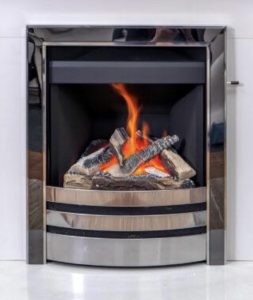
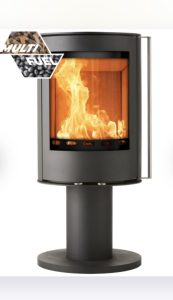
If you own a gas fire or wood-burning stove, regular servicing is essential to keep your heating appliance operating safely, efficiently, and reliably. Many homeowners only think about maintenance when something goes wrong, but annual servicing can prevent costly repairs, improve performance, and ensure your appliance complies with safety standards.
In this guide, we’ll explain why regular servicing matters, how often your appliance should be serviced, and the benefits of professional maintenance.
Why Regular Servicing Is Important
Whether you have a modern gas fire or a traditional wood-burning stove, both appliances experience wear and tear over time. Soot, ash, dust, and damaged components can affect performance and create safety risks if left unchecked.
Regular servicing helps to:
* Improve heating efficiency
* Reduce the risk of breakdowns
* Extend the lifespan of your appliance
* Detect potential faults before they become expensive repairs
* Ensure safe operation for your household
Do Gas Fires Need Annual Servicing?
Yes. Gas fires should ideally be serviced once a year by a qualified Gas Safe registered engineer.
During a gas fire service, the engineer will typically:
* Inspect the burner and ignition system
* Clean internal components
* Check ventilation and flue performance
* Test for gas leaks
* Ensure the appliance is burning correctly
* Check safety devices are functioning properly
Annual servicing helps reduce the risk of carbon monoxide exposure, improves efficiency, and keeps your gas fire operating safely throughout the colder months.
Do Wood-Burning Stoves Need Regular Servicing?
Absolutely. Wood-burning stoves also require annual servicing, even if they appear to be working perfectly.
A professional stove service usually includes:
* Cleaning internal components
* Inspecting fire bricks, baffles, and rope seals
* Checking door seals and glass condition
* Examining the flue and chimney connection
* Ensuring air vents are operating correctly
* Identifying signs of corrosion or damage
Your chimney should also be swept regularly, usually at least once a year, or more frequently if the stove is used heavily.
Signs Your Fire or Stove Needs Servicing
Don’t wait until your appliance stops working. Watch out for these warning signs:
* Difficulty lighting the appliance
* Reduced heat output
* Excessive smoke
* Unusual smells
* Soot build-up
* Yellow or uneven flames on a gas fire
* Glass blackening quickly on a wood-burning stove
* Strange noises during operation
If you notice any of these issues, arrange a professional inspection as soon as possible.
Benefits of Regular Servicing
Investing in annual servicing offers several long-term benefits:
Better Energy Efficiency
A clean, well-maintained appliance burns fuel more effectively, helping reduce energy consumption and heating costs.
Improved Safety
Regular inspections identify potential hazards, including gas leaks, blocked flues, damaged seals, and carbon monoxide risks.
Longer Appliance Lifespan
Replacing worn parts early helps prevent unnecessary strain on your appliance, extending its working life.
Fewer Costly Repairs
Small issues are much cheaper to fix than major breakdowns that could require replacement parts or a new appliance.
When Is the Best Time to Book a Service?
The ideal time is during spring or summer, before demand increases ahead of winter. Booking early means you’ll be ready for the heating season without delays.
Frequently Asked Questions
How often should a gas fire be serviced?
A gas fire should be serviced once every year by a Gas Safe registered engineer.
How often should a wood-burning stove be serviced?
Most manufacturers recommend an annual service, alongside regular chimney sweeping depending on how frequently the stove is used.
Can I service my own stove?
You can clean ash, glass, and external surfaces yourself, but a full inspection should always be carried out by a qualified professional.
Is servicing really necessary if the appliance works fine?
Yes. Many faults develop gradually and may not be obvious until they become serious. Annual servicing helps identify problems early and keeps your appliance operating safely.
Final Thoughts
Regular servicing is one of the best ways to protect your investment and ensure your home stays warm and safe. Whether you own a gas fire or a wood-burning stove, annual maintenance helps improve efficiency, prevent costly repairs, and reduce safety risks.
If it’s been more than a year since your last service, now is the perfect time to book an inspection with a qualified engineer. A small investment in preventative maintenance can save money, improve performance, and provide peace of mind throughout the heating season.
Screenshot