When choosing a new stove for your home, one of the biggest decisions is whether to install a gas stove or a wood-burning stove. Both can provide warmth and create a cosy atmosphere, but gas stoves offer several practical advantages that make them an increasingly popular choice for modern homes.
From convenience and cleaner operation to easier temperature control and lower maintenance, a gas stove can provide many of the benefits of a traditional wood burner without some of the associated work.
1. Instant Heat at the Touch of a Button
One of the biggest benefits of a gas stove is convenience. Unlike a wood-burning stove, there is no need to gather firewood, light kindling or wait for the fire to reach the desired temperature.
A gas stove can usually be switched on quickly, providing heat almost immediately. This makes it particularly useful when you want to warm a room quickly on a cold morning or evening.
For busy households, this simple operation can make a significant difference to everyday comfort.
2. Easy Temperature Control
Gas stoves offer excellent control over the amount of heat produced. With adjustable controls, you can increase or reduce the flame to achieve a comfortable room temperature.
A wood-burning stove requires more hands-on management. Adding logs, adjusting airflow and allowing the fire to burn down all affect the temperature, and it can take some practice to maintain a consistent level of heat.
With a gas stove, getting the right temperature is much easier and more predictable.
3. Less Maintenance and Cleaning
Wood-burning stoves can create ash, soot and debris that need to be cleaned regularly. Logs can also bring bark, dirt and dust into the home.
A gas stove produces no wood ash and generally requires considerably less day-to-day cleaning. This can make it an attractive option for homeowners who want the appearance and atmosphere of a traditional stove without the ongoing maintenance associated with burning wood.
Of course, gas appliances still require appropriate servicing and safety checks by a qualified professional.
4. No Need to Store Firewood
A wood-burning stove requires a supply of suitable, properly seasoned firewood. This means homeowners need somewhere dry and convenient to store logs throughout the year.
A gas stove eliminates the need for log storage. There is no need to carry heavy logs into the house, maintain a wood store or regularly replenish your supply.
This can be especially beneficial for homes with limited outdoor storage space.
5. A Cleaner and More Convenient Heating Option
Modern gas stoves are designed to burn fuel efficiently, producing heat without the smoke and ash associated with burning solid wood.
For homeowners looking for a convenient alternative to a traditional wood burner, a gas stove can offer a cleaner and less labour-intensive experience.
It is important to remember, however, that gas is still a fossil fuel in many installations, so environmental considerations should be taken into account when comparing heating options.
6. Enjoy the Look of a Real Flame
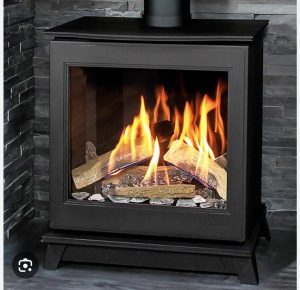
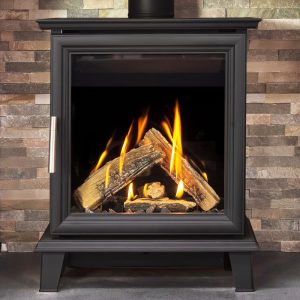
One reason people choose wood-burning stoves is the appearance of a real fire. Fortunately, modern gas stoves can recreate much of this visual appeal.
Many models feature realistic logs, glowing ember effects and attractive flames, allowing you to enjoy the ambience of a traditional fireplace while benefiting from the convenience of gas.
For homeowners who want a combination of style, comfort and ease of use, a gas stove can be an excellent compromise.
7. Greater Convenience for Everyday Use
A wood-burning stove can be particularly enjoyable when you have the time to build and tend a fire. However, it can become less convenient when you simply want reliable heat without the preparation.
Gas stoves are designed for straightforward everyday use. You can turn them on when heat is needed and turn them off when the room is warm enough.
This makes gas particularly appealing for people who want their stove to complement their lifestyle rather than require regular attention.
8. Gas Stove vs Wood-Burning Stove: Which Is Right for You?
The best choice depends on your home, lifestyle and priorities.
A wood-burning stove may appeal to homeowners who enjoy sourcing and storing firewood, tending a fire and creating a traditional log-burning experience.
A gas stove, on the other hand, may be the better option if you prioritise convenience, quick heat, easy temperature control and minimal cleaning.
Final Thoughts
For many homeowners, the benefits of a gas stove come down to convenience, controllability and reduced maintenance. You can enjoy the warmth and visual appeal of a stove without having to regularly source, carry and burn logs.
If you are considering replacing an existing wood-burning stove or installing a new heating appliance, it is worth comparing the available gas stove models, running costs, installation requirements and local regulations before making a decision.
A professional heating installer can also help you determine which type of stove is most suitable for your property and ensure that any installation meets current safety requirements.