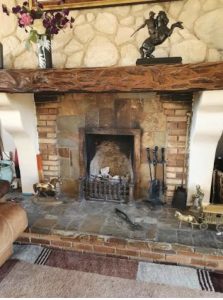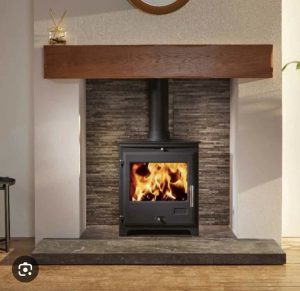
If you love the warmth, character and atmosphere of a traditional open fire, you may be wondering whether it is worth upgrading to a wood-burning stove. While an open fire has undeniable charm, modern wood-burning stoves offer a more efficient, controllable and environmentally conscious way to heat your home.
From reducing heat loss to creating a cosy focal point in your living room, there are plenty of reasons to consider making the switch.
1. A Wood-Burning Stove Is Much More Efficient
One of the biggest advantages of upgrading from an open fire to a wood-burning stove is heating efficiency.
An open fire draws large amounts of warm air from your room up the chimney. Although you can feel the radiant heat when sitting close to the fire, much of the heat produced is lost through the chimney.
A modern wood-burning stove is designed to burn fuel in a controlled environment. The enclosed combustion chamber allows more of the heat generated by the fire to be transferred into the room rather than escaping up the chimney.
This means you can enjoy a warmer, more comfortable home while using your firewood more effectively.
2. Better Control Over Your Heat
With an open fire, controlling the temperature can be difficult. You may need to add logs frequently, and the fire can burn quickly depending on airflow and chimney conditions.
A wood-burning stove gives you much greater control.
By adjusting the stove’s air controls, you can regulate how quickly the wood burns and how much heat is produced. Once you have learned how your stove behaves, you can maintain a steady, comfortable temperature for longer periods.
This makes a stove particularly appealing if you want your fireplace to become a practical source of heating rather than simply an occasional feature.
3. Use Less Firewood
Because wood-burning stoves are more efficient than traditional open fires, you can often achieve more useful heat from the same amount of firewood.
For homeowners who regularly buy or season firewood, this can make a noticeable difference. Instead of burning logs quickly in an open fireplace, a well-operated stove allows you to get considerably more heat from your fuel.
Using properly seasoned or kiln-dried firewood is also important. Dry wood burns more efficiently, produces more heat and generally creates less smoke than wet or unseasoned wood.
4. A Cosier and More Comfortable Living Space
There’s something special about watching flames dancing behind the glass of a wood-burning stove.
Modern stoves combine the traditional appeal of a real fire with a stylish, enclosed design. Large viewing windows provide an excellent view of the flames while helping to contain sparks and embers.
Whether you live in a traditional cottage or a contemporary home, there are wood-burning stove designs to suit a wide range of interiors.
Improved Safety Compared with an Open Fire
An open fireplace leaves flames, embers and burning logs exposed. A wood-burning stove has a sealed combustion chamber, with the fire safely contained behind a heat-resistant glass door.
This can reduce the risk of sparks and burning embers entering the room.
Of course, a wood-burning stove still needs to be installed correctly and operated responsibly. Professional installation, regular chimney sweeping and appropriate maintenance are essential for safe operation.
6. A Stove Can Transform Your Fireplace
Replacing an open fire with a stove doesn’t necessarily mean losing the character of your existing fireplace.
In many homes, the original fireplace opening, chimney breast and surrounding brickwork or stonework can become an attractive backdrop for a new stove.
A stove can actually enhance a traditional fireplace, combining period features with modern heating technology.
Depending on the property, you may be able to retain original features such as a stone surround, brickwork or timber beam while installing a stove that complements the existing style.
7. Modern Stoves Are Designed With Cleaner Burning in Mind
Modern wood-burning stoves are engineered to burn wood more efficiently than traditional open fires. Many incorporate secondary or tertiary combustion systems that help burn gases and particulates within the stove rather than allowing as much unburned material to escape through the chimney.
However, choosing an appropriate stove and using it correctly is important.
In the UK, homeowners should check whether their property is located within a Smoke Control Area and ensure that the appliance and fuel comply with the relevant requirements. An installer can advise you on suitable appliances for your location.
8. Add Character and Value to Your Home
A well-designed wood-burning stove can become a major focal point in a room.
For many buyers, features such as fireplaces, log burners and attractive period details add character and appeal. While you should never install a stove purely as an investment, a professionally installed and attractive stove can make a property feel warmer, more inviting and more distinctive.
The key is choosing a stove that is appropriately sized for the room and complements the style of your home.
9. Choose From Traditional and Contemporary Designs
One of the best things about upgrading to a wood-burning stove is the sheer range of styles available.
You could choose a traditional cast-iron stove for a period cottage, a clean-lined steel stove for a modern home, or a compact model for a smaller fireplace.
There are also different configurations, including freestanding, inset and multi-fuel appliances.
This means you don’t have to sacrifice style for practicality.
10. Make Your Fireplace Work Harder for You
An open fire is beautiful, but its primary function is often aesthetic. A wood-burning stove can turn your fireplace into a more effective source of room heating.
Rather than sitting directly in front of an open fire to feel the benefit, a stove is designed to distribute useful heat throughout the room.
For homeowners who already enjoy having a real fire but want greater efficiency, control and practicality, upgrading can be a worthwhile improvement.
Is a Wood-Burning Stove Right for Your Home?
Before replacing an open fire, there are several factors to consider, including the size of the room, chimney condition, ventilation requirements, local regulations and the type of fuel you intend to use.
It’s important to have the installation assessed and carried out by a suitably qualified professional. A properly sized and correctly installed stove will perform far better than an appliance that is too large, too small or incorrectly installed.
You should also factor in ongoing chimney sweeping, maintenance and the cost of good-quality, dry firewood.
Upgrade Your Open Fire and Enjoy More From Your Fireplace
For many homeowners, upgrading an open fire to a wood-burning stove offers the best of both worlds: the charm and atmosphere of a real fire combined with improved efficiency, greater control and a more practical approach to home heating.
If your open fireplace is currently sending much of its heat up the chimney, a modern wood-burning stove could be the upgrade you’ve been looking for.
With the right stove, professional installation and responsible use, you can create a warm, inviting focal point that you can enjoy throughout the colder months.
Thinking about replacing your open fire? Speak to a qualified stove installer to discuss your fireplace, chimney and heating requirements and find out which wood-burning stove could be right for your home.