If you’re considering a wood burning stove in Wirral, Chester or Flintshire, choosing the right appliance is about more than finding a style you like. You need to consider the size of your room, the condition of your chimney, local smoke control rules, fuel efficiency, installation requirements and the type of home you live in.
A well-chosen modern wood burner can create a warm focal point while providing an efficient source of heat. However, buying the wrong size stove—or installing one without considering local regulations—can lead to unnecessary expense and ongoing problems.
This guide explains what to look for when buying a wood burning stove in Wirral, Chester or Flintshire.
What Is a Wood Burning Stove?
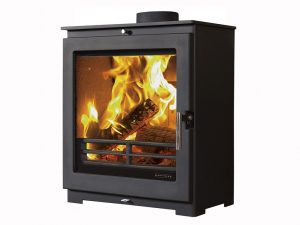
A wood burning stove is a closed solid-fuel appliance designed specifically to burn logs. Unlike an open fireplace, a modern stove controls the supply of air to the fire, helping it burn wood more efficiently and with lower emissions.
Many modern appliances are Ecodesign compliant, meaning they have been designed to meet stringent emissions and efficiency requirements.
If you’re buying a new stove, Ecodesign should be high on your checklist. Local authorities in the area also recommend choosing efficient, low-emission appliances. (Wirral Council)
Why Choose a Wood Burning Stove?
There are several reasons homeowners consider installing a log burner:
* Creates a traditional focal point in the living room
* Provides radiant heat
* Can complement period and modern properties
* Modern models are considerably more efficient than traditional open fires
* A wide range of sizes and designs is available
* Can be suitable for homes with existing fireplaces or chimney breasts
However, a wood burning stove should not automatically be regarded as the cheapest way to heat a home. Fuel, installation, chimney work, servicing and sweeping all need to be considered when calculating the overall cost.
Choosing the Right Stove Size
One of the most important decisions is selecting the correct heat output.
A stove that is too small may struggle to heat the room, while one that is too large can make the room uncomfortably hot and encourage inefficient operation.
The required output depends on factors including:
* Room size
* Ceiling height
* Insulation levels
* Number and size of windows
* External walls
* Property age
* Open-plan areas
* Whether adjoining rooms also need heating
Rather than choosing a stove simply because you like its appearance, ask a reputable installer to assess your property and recommend an appropriate output.
Don’t automatically buy the biggest stove
A common mistake is assuming that a larger stove will provide better heating.
Modern wood burners are designed to operate within particular temperature and output ranges. Running a stove continually at very low output can result in inefficient combustion and increased deposits in the flue.
The goal is to find a stove that matches the room and the way you intend to use it.
Wood Burning Stoves and Smoke Control Areas
This is particularly important when buying a log burner in Wirral, Chester or Flintshire.
Wood burning stoves in Wirral
Wirral has a borough-wide Smoke Control Area that came into effect on 1 August 2025. In a Smoke Control Area, you cannot release smoke from a chimney and you generally need authorised fuel unless your appliance is an approved exempt appliance. (Wirral Council)
Wirral Council specifically advises people buying a new appliance to look for an Ecodesign or DEFRA-approved appliance. (Wirral Council)
This means that if you’re looking for a wood burning stove in Wirral, checking its smoke-control status should be part of your purchasing process—not something to investigate after you’ve bought the stove.
Wood burning stoves in Chester
Cheshire West and Chester has several designated Smoke Control Areas, including areas covering Ellesmere Port, Helsby and Frodsham, Northwich and Winsford. (Cheshire West and Chester Council)
If your property is within a Smoke Control Area, you must comply with the relevant rules regarding fuel and appliances. Some wood burners and multi-fuel stoves are exempt appliances and can be used subject to the applicable conditions.
If you’re buying a wood burning stove in Chester, check your exact property rather than assuming the whole city is subject to the same restrictions.
Wood burning stoves in Flintshire
Flintshire is one of the Welsh local authorities with Smoke Control Areas. Welsh Government guidance confirms that, within a Smoke Control Area, dry wood can be burned only in an appropriate exempt appliance. Wood cannot be burned in an open fireplace in a Smoke Control Area. (GOV.WALES)
For anyone considering a log burner in Flintshire, it is therefore particularly important to check the property location and the appliance’s exemption status before ordering.
Ecodesign vs DEFRA Approved: What’s the Difference?
These terms are sometimes used interchangeably, but they refer to different things.
Ecodesign relates to emissions and efficiency standards for appliances.
DEFRA exemption relates to whether an appliance can legally burn unauthorised fuels, such as wood, in designated Smoke Control Areas, subject to the appliance’s conditions.
For many homeowners in Wirral, Chester and Flintshire, looking for a modern Ecodesign stove that is also approved for use in Smoke Control Areas is a sensible starting point.
Always check the specific model rather than relying on a retailer’s generic description.
What Type of Wood Should You Burn?
The quality of your firewood makes a major difference.
Wet or poorly seasoned logs produce more smoke and can contribute to deposits inside the appliance and chimney. Wirral Council recommends burning dry logs with a moisture content of 20% or less and advises consumers to look for the Ready to Burn logo when buying logs. (Wirral Council)
Good firewood should be:
* Properly seasoned or Ready to Burn
* Dry and stored under suitable conditions
* Appropriate for your particular stove
* Free from paint, preservatives and other contaminants
Never use your stove to burn household rubbish, treated timber or other unsuitable materials.
Choosing Between a Wood Burner and Multi-Fuel Stove
Although the terms are sometimes used together, wood burning and multi-fuel stoves are designed differently.
Wood burning stove
A dedicated wood burner is designed primarily for burning logs and can be an excellent option if wood is the only fuel you intend to use.
Multi-fuel stove
A multi-fuel appliance is designed to burn more than one type of solid fuel, subject to the manufacturer’s instructions.
If you only plan to burn logs, a dedicated wood burning stove may be the simplest choice. If you want the flexibility to use other permitted fuels, a multi-fuel appliance may be more appropriate.
Always check exactly which fuels the manufacturer permits.
Do You Need a Chimney?
Not necessarily.
A traditional chimney can sometimes be used after it has been inspected and prepared appropriately. Older chimneys may require remedial work or a suitable flue liner.
Properties without an existing chimney can potentially have a stove installed using a suitable twin-wall flue system, subject to the installation requirements and property layout.
Before buying a stove, have the proposed installation assessed. The cost of the flue, liner, hearth, ventilation and associated building work can make a significant difference to the overall project price.
Installation: Don’t Cut Corners
A wood burning stove is a combustion appliance, so professional installation is important.
Your installer should assess issues such as:
* Chimney condition
* Flue requirements
* Hearth construction
* Distance from combustible materials
* Ventilation
* Flue termination
* Stove output
* Appliance manufacturer’s installation requirements
Using an appropriately qualified installer can also make the certification and compliance process much simpler.
Ask potential installers about their relevant qualifications and whether they can provide the necessary certification for the installation.
Ventilation Requirements
A stove may require additional ventilation depending on the appliance output, property and installation.
This is another reason not to buy the stove first and work out the installation later.
A professional assessment should establish whether additional ventilation is required and where it should be located.
How Much Does a Wood Burning Stove Cost?
The total cost of installing a wood burner can vary substantially.
Your budget may need to cover:
1. The stove
2. Hearth
3. Chimney inspection
4. Flue liner or twin-wall flue
5. Installation
6. Building work around the fireplace
7. Ventilation
8. Carbon monoxide alarm
9. Chimney sweeping and future maintenance
10. Firewood storage and fuel
A basic stove installation into a suitable existing fireplace may be considerably less complicated than installing a stove into a property with no chimney.
For this reason, it is better to obtain a complete installation quotation rather than comparing stove prices alone.
What Style of Wood Burner Should You Choose?
Modern stoves are available in designs ranging from traditional cast-iron models to minimalist contemporary appliances.
Traditional stoves
Ideal for:
* Period properties
* Stone fireplaces
* Cottage interiors
* Traditional chimney breasts
Contemporary stoves
Ideal for:
* Modern extensions
* Minimalist interiors
* Open-plan living spaces
* Homes looking for a clean, architectural appearance
Freestanding stoves
A freestanding stove can become a strong focal point and may work particularly well where there is no traditional fireplace opening.
Inset stoves
Inset models sit within the fireplace opening, creating a more integrated appearance.
The important point is to choose the appliance based on both aesthetics and technical suitability.
Wood Burning Stoves for Period Properties
Wirral, Chester and Flintshire all contain a mixture of older and newer housing, so installation requirements can vary significantly.
Older properties may have:
* Large open fireplaces
* Older or damaged chimneys
* Narrow flues
* Timber features close to the fireplace
* Non-standard fireplace openings
Don’t assume that an existing fireplace is automatically suitable for a stove.
A survey can identify potential issues before you commit to a particular appliance.
How to Compare Wood Burning Stoves
When comparing models, don’t look only at the price.
Consider:
Heat output: Is it suitable for your room?
Efficiency: How effectively does the stove convert fuel into useful heat?
Emissions: Does it meet current standards?
Smoke-control approval: Is it suitable for your property if you’re in a Smoke Control Area?
Fuel: Is it designed for logs only or multiple approved fuels?
Warranty: What does the manufacturer cover?
Spare parts: Are replacement components readily available?
Installation: Will the stove work with your existing chimney or proposed flue?
Appearance: Does the design suit your property?
Ease of use: Consider door operation, controls, ash management and cleaning.
How to Find a Wood Burning Stove Installer in Wirral, Chester or Flintshire
Start by looking for an installer with appropriate solid-fuel and stove installation experience.
Ask for:
* Evidence of relevant accreditation
* A written quotation
* Details of the proposed flue system
* Confirmation of ventilation requirements
* Details of the certification provided
* References or recent installation examples
* Information about aftercare and servicing
Don’t choose an installer purely because they offer the lowest price. A technically correct installation is more important than saving a small amount at the outset.
Maintaining Your Wood Burning Stove
Buying the right stove is only the beginning.
Your stove and chimney should be maintained according to the manufacturer’s recommendations. Welsh Government guidance advises having the chimney maintained by a certified professional chimney sweep annually. (GOV.WALES)
Regular maintenance can help identify problems before they become serious and can help keep the appliance operating efficiently.
You should also regularly inspect the stove for signs of damage and follow the manufacturer’s cleaning and maintenance instructions.
Wood Burning Stove Buying Checklist
Before ordering your new stove, check:
* The stove is correctly sized for your room
* You have checked whether your property is in a Smoke Control Area
* The appliance is suitable for your local requirements
* The stove meets current efficiency and emissions standards
* You know which fuels the manufacturer permits
* Your chimney has been assessed
* You understand whether a liner is required
* Ventilation requirements have been considered
* The hearth meets the relevant requirements
* The installer is suitably qualified
* You have received a complete installation quotation
* A carbon monoxide alarm will be installed where required
* You understand the ongoing sweeping and maintenance requirements
Frequently Asked Questions
Are wood burning stoves allowed in Wirral?
Yes, but Wirral is covered by a borough-wide Smoke Control Area. If you are buying a new stove, you need to choose an appliance and fuel combination that complies with the applicable Smoke Control Area rules. (Wirral Council)
Can I have a log burner in Chester?
Potentially, yes. However, Cheshire West and Chester contains several Smoke Control Areas, so you should check your property’s location and make sure the proposed appliance complies with the relevant requirements. (Cheshire West and Chester Council)
Can I burn wood in a stove in Flintshire?
If your property is within a Welsh Smoke Control Area, dry wood can be burned only in an appropriate exempt appliance. (GOV.WALES)
Should I buy an Ecodesign stove?
For a new installation, an Ecodesign appliance is a sensible option to consider because it is designed around higher efficiency and lower emissions. Welsh Government and local authorities recommend looking for efficient, lower-emission appliances where solid fuel is being used. (GOV.WALES)
Is a wood burner suitable for every home?
No. The suitability depends on the property, proposed location, chimney or flue arrangement, ventilation, stove output and local regulations. A professional survey before purchasing can prevent expensive mistakes.
Final Thoughts
Buying a wood burning stove in Wirral, Chester or Flintshire requires more thought than simply choosing a stove that looks good in a showroom.
The best approach is to start with your property and work backwards: establish the required heat output, check Smoke Control Area restrictions, choose an efficient and appropriately approved appliance, assess the chimney and ventilation requirements, and use a competent installer.
If you’re unsure which stove is right for your home, get professional advice before ordering. A correctly sized, properly installed and well-maintained stove can provide years of reliable service while fitting naturally into the character of your home.
Important: Smoke Control Area rules can vary by exact property, so always check the current requirements for your address before purchasing or installing a wood burning stove. (GOV.UK)